

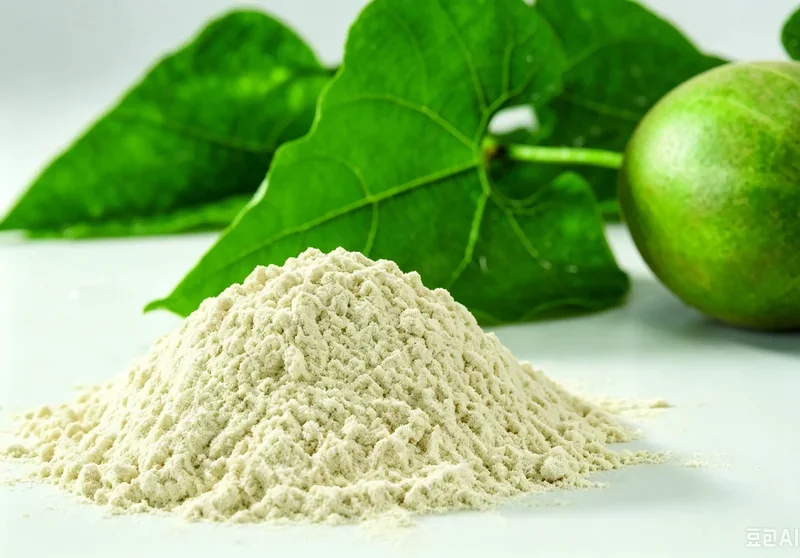
In Yogyakarta, Indonesia, AAC & AAIC 2018 united the Asia-Oceania aroma industry — the 5th AAIC and 2nd AAC, held together under the Asia-Oceania Aroma Association. There, exhibitors presented a range of natural aromatic materials and plant extracts organised by application — essential oils, concretes and absolutes. Every lot shipped with full certificates of analysis and retained samples for traceability.
The Conference and Why We Went
AAC & AAIC is the joint meeting of the Asian Aromatic Oils Conference and the Asian Aroma Ingredients Congress & Expo, run under the Asia-Oceania Aroma Association (AOAA). The 2018 edition brought the region's aroma, flavour and fragrance communities to Yogyakarta, Indonesia — the 5th AAIC and the 2nd AAC held as one event. AOAA links national associations from across Asia and Oceania, so the room held not only suppliers but the associations that set the region's direction. We went to Yogyakarta because the buyers and associations there choose which aromatic-material partners get written into regional formulas, and we wanted to be one of the names they wrote down.
What AAC & AAIC Is — and Who It Draws
AAC & AAIC is not a consumer fair. It is a working congress for the aromatic-oils and aroma-ingredients trade across Asia and Oceania — associations, producers, traders, flavorists and procurement leads in the same halls. The program runs from crop and extraction science to formulation, market data and cross-border cooperation, and the hallway conversations are where a supplier learns what a buyer actually struggles with: a note that will not survive a tropical climate, a base that fails a clean-label claim, a shipment that misses a launch window.
We listened more than we pitched. The agenda itself told us what these teams will be measured on next season, and the questions in the aisles told us where our materials fit. An aromatic-oils buyer does not buy a scent; it buys a result that survives its process, its climate and its regulator. Keeping that in view shaped everything we brought.
What We Brought: Built Around the Buyer's Brief
Before the booth was built, we did not list what we could make. We read what aromatic-oil buyers in the region were actually asking for — which notes were moving in personal care and incense, what food and beverage developers wanted from a credible "natural" claim, where spice and herbal bases kept hitting the same quality wall. That homework shaped the table. On it sat essential oils, concretes, absolutes and hydrosols drawn from Guangxi's aromatic crops and medicinal-food plants. We brought both finished notes and the raw fractions, so a developer could take a ready profile or build their own.
Behind each sample was a process we can name: Living-Fragrance physical extraction (a low-temperature method that keeps the living character of the raw material), aroma concentration, dynamic multi-stage countercurrent extraction, supercritical fluid extraction (a low-temperature route that uses no organic solvents), and molecular distillation with controlled release. The point was not the catalog; it was proof that a material we supply still reads true after a buyer's heat, pH and shelf-life test.
Why Buyers Could Trust the Work
Trust, for an importer, is a stack of documents and a phone call that gets answered. We built our side of that stack on hard points: The Guilin, Guangxi plant — 25,000 m² among the region's aromatic crops and medicinal-food plants — chairs the Guangxi Flavor & Fragrance Association and carries patents across the extraction and release a aroma buyer ships.
Every lot leaves with a certificate of analysis and a retained sample, so a buyer can trace a shipment back to its batch and re-check it years later. On compliance, we prepare materials for the market an aroma buyer serves — REACH for Europe, FDA expectations for the United States, and the document sets regional Asia-Oceania buyers ask for — and we say plainly where a claim stops. Typical lead times run from about two weeks for stock materials to several weeks for made-to-order fractions; minimum order quantities scale with the format an aroma buyer uses, and we confirm both before any contract. We would rather lose a loose claim than a relationship.
On the Floor: The Work Behind the Samples
The first morning, our layout assumed visitors would walk the perimeter. Buyers came straight to the open jars and asked to smell. We rebuilt the table around those jars by midday, and that changed every conversation after it. A few buyers spoke limited English, so we kept our answers to short sentences and pointed at the sample rather than the spec sheet — the jar did the talking.
One buyer wanted a clove and cinnamon note that held through a hot, humid shelf; our standard absolute drifted. We pulled a freeze-preserved fraction from the back, and across the show we ran three small adjustments until the heat-stable version read the same on the strip. Another asked for a low-colour citrus oil for a clear personal-care base; we narrowed the fraction and removed the tail that had caused the haze. That is the ordinary, unphotographed work of a supplier: not a perfect first pass, but a fast, honest second one. By the last session, several teams had asked for formal quotes and batch data.
Where This Goes — and How to Reach Us
AAC & AAIC 2018 was one stop on a longer road. We plan to keep showing at the events where aromatic-material buyers actually decide, and to bring narrower, application-ready samples each time rather than a wider shelf. If you source natural aromatic materials or plant extracts and need them matched to a real formula, write to us with the application, the process it must survive, and the market it ships to.
Our technical team answers directly to an aroma buyer, and we can send certificates, retained-sample history and trial lots on request. Start the conversation through the contact channels on this site — we reply to an aroma buyer, and we keep the samples honest.
---
Conference at a glance
- What: Asian Aromatic Oils Conference (AAC) + Asian Aroma Ingredients Congress & Expo (AAIC), held together under the Asia-Oceania Aroma Association (AOAA).
- Edition: 2018 = 5th AAIC and 2nd AAC.
- Date / Venue: 24 April 2018, Yogyakarta, Indonesia.
- Scope: a biennial gathering of aroma, flavour & fragrance and aromatic-oils associations, producers, traders and buyers across Asia and Oceania.
- Members behind AOAA: national associations from China, Taiwan, Macau, India (two), Indonesia (two), Korea, Australia and Sri Lanka.
This article was published on 2026-11-07, and last updated on 2026-11-07. The article will be continuously updated.