

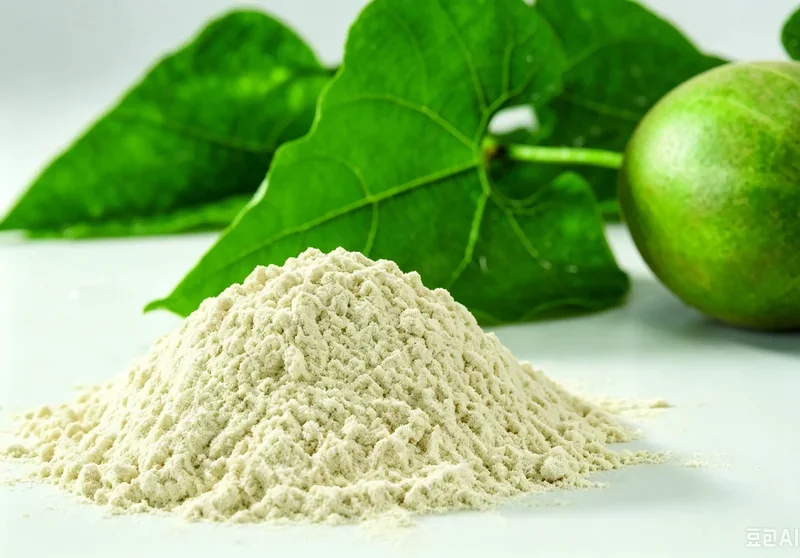
CIAIE 2021 ran 11–13 June at the Shanghai International Procurement Exhibition Center, a 15,000 m² showcase of the whole aroma chain — cultivation, extraction, essential oils, skincare and aromatherapy. Exhibitors came with natural aromatic materials and plant extracts mapped to many downstream doors, not a single one. Each shipment left with its certificate of analysis and a retained sample locked to the batch.
The Fair and Why One Booth Met So Many Industries
The 7th China International Aroma Industry Exhibition (CIAIE 2021) took place 11–13 June 2021 at the Shanghai International Procurement Exhibition Center in Putuo District, under the banner "connecting the aroma industry, developing the aroma economy." Across 15,000 m², more than 350 exhibitors and 600-plus essential-oil types drew over 15,000 visitors into one room — and the room covered the entire chain: aromatic-plant cultivation, extraction equipment, essential oils and hydrosols, space fragrance, plant-based personal care, aromatherapy education and incense culture.
We went to Shanghai because at this fair a single stand meets buyers from cosmetics, food and beverage, aromatherapy, pharma and even pet and elderly care at once. One natural material can walk through many doors. For a supplier of natural aromatic materials from Guangxi, that breadth is rare: most shows gather one industry, but here the same jar interests a skincare formulator, a beverage developer and an aromatherapist alike. We went to see how far one material can actually travel.
Who Came Through the Door
The visitor list read like a cross-section of the consumer economy: cosmetics houses, professional salons, aromatherapists, hotels, high-end clubs, food and beverage processors, health-product and pharmaceutical companies, hospitals, research institutes, tobacco processors, pet centers, elderly-care homes, e-commerce platforms and raw-material traders. That spread is the point of the show — it is built to link the chain from end to end.
We did not pitch one script. We let each visitor find their own door. A formulator asked about a facial oil; a beverage man asked about a citrus top note; an aromatherapist asked about a hydrosol gentle enough for daily use. Three people, one sample jar, three different briefs. That is the work the fair is designed for, and it told us more about real demand than any single-industry event could.
What We Brought: One Raw Material, Many Applications
We did not pack a catalogue. We packed a small set of natural aromatic materials and plant extracts and showed, for each, where it could land: a floral or citrus oil for cosmetics and personal care; a tea or spice extract for beverages and savoury; an aromatic water and resin fraction for space fragrance and aromatherapy; a concrete and absolute for fine-fragrance and skincare bases.
Behind every jar was a process we can name: Living-Fragrance physical extraction (a low-temperature route that keeps the living character of the raw material), aroma concentration, dynamic multi-stage countercurrent extraction, supercritical fluid extraction (a cold route with no organic solvent), and molecular distillation with controlled release. Each visitor phrased it in their own words, but underneath the question was the same: will this still hold once my process, my pH and my shelf life are done with it. We built the samples to answer that, not to smell pleasant on the strip.
What a Buyer Could Verify
Trust is something a buyer can check, not something we assert. The plant behind the lot sits in Guilin, Guangxi — 25,000 m² among the region's aromatic and medicinal-food crops — and we chair the Guangxi Flavor & Fragrance Association with patented extraction and release behind every aroma buyer.
Every shipment carries a certificate of analysis and a retained sample tied to its batch, so a buyer can trace a lot back years later and re-run the test. On compliance we prepare for the market an aroma buyer serves — REACH for Europe, and the documentation a cosmetics or food house needs for its dossier — and we say exactly where a claim ends. Lead times run about two weeks for stock items and several weeks for made-to-order fractions; minimum order sizes follow the format an aroma buyer specifies, and we confirm both before a contract. A claim we cannot back is one we do not make.
On the Booth: Where the Real Work Happened
A skincare brand at the booth was building an "oil-nourishing" line and wanted a natural oil not merely for scent but as a functional ingredient with a defensible active marker. Our standard specification covered aroma and purity, not the active compound they cared about. We added an assay for that marker and narrowed the batch-to-batch band, so their claims would hold in a laboratory they did not control. By the second day they had taken trial lots for three SKUs.
A separate thread ran with an e-commerce curator who wanted a citrus top note that survived a low-pH, clear beverage without the volatile tail turning sharp. We narrowed the fraction and removed the aggressive top note, then sent it for their stability test. None of this was a clean first swing; it was a second, honest one done while they still stood there. The fair's value was not the leads — it was the corrections.
What Comes Next — and How to Reach Us
CIAIE 2021 was one stop on a longer road. We plan to keep showing where a single natural material can meet many industries, and to bring narrower, application-ready samples each time. If you buy natural aromatic materials or plant extracts and need one mapped to a real formula — cosmetics, beverage, aromatherapy or beyond — write to us with the application, the process it must survive, and the market it ships to.
Our technical team replies directly to every aroma buyer, and we can send certificates, retained-sample history and trial lots on request. Open the conversation through the contact channels on this site — we answer, and we keep the samples straight.
This article was published on 2026-11-07, and last updated on 2026-11-07. The article will be continuously updated.